

Old Mill Eco Design + Education
reconnecting home + habitat


At Old Mill Eco Design & Education,
my goal is to reconnect people to planet through
beautiful, sustainable design solutions for home + habitat and
high quality, engaging environmental education.
I work with home and land owners, communities, and public organizations to improve their sustainability and create beauty and efficiency around them- from homes, gardens and yards; to lands and lives.
Whether via educational programming or design-based solutions, I like to say I work with ‘Habitat + Home’- helping people to reconnect to the ecosystem around them which they are A PART of, and to remember we not APART from nature.
So much of our traditional way of living- our habits and our homes- are in opposition to nature. And we’ve been taught that in order for spaces to be suitable habitats for us as humans, it must not be suitable habitats for other creatures- as if the absence of life is the only way we can live. But this could not be further from the truth! We can lead happier, healthier lives when we challenge traditions that have disconnected us from nature and embrace sustainable perspectives + practices.
Through educational services and intentional designs for home and garden grounded in sustainability practices and principles, I give you the guidance and knowledge you need to create and steward your spaces yourselves -or- to craft these transformations for you.
Welcome nature back into your home… and embrace the joy to be found in nature welcoming you back home.
Through Private Consultations and Classes, Workshops + Presentations, and Events at The Island, I provide guidance, education, and experiences connecting you with the ecosystem around you. Engaging and unique educational programs along with the felt experience of connecting to nature empower you to steward, curate, restore and reduce harm to your bit of nature you are living in.
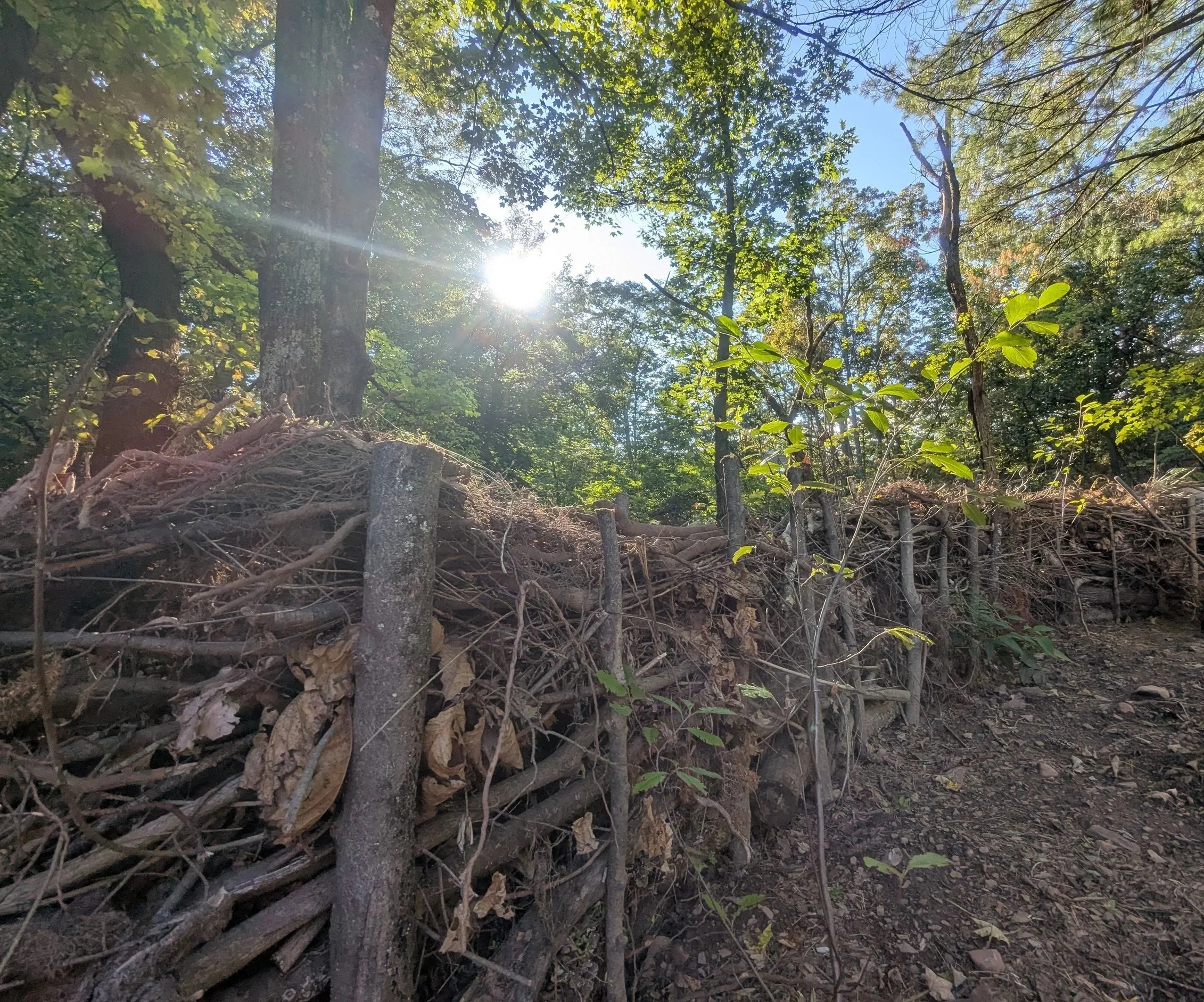
Let’s do the most for the ecosystem you live in! From creating + restoring thriving habitats in your backyards, woodlands and wetlands; helping you implement a sustainable yard or land care plan that reduces harm and improves the health of a space; to designing beautiful, ecologically beneficial gardens full of native plants and biodiversity…
Turn your space- no matter how big or small- into your own little slice of paradise, your own eco-sanctuary- vibrant and full of life. I offer designs and consultations with a variety of service levels- from guidance for the DIYer on a budget to done-for-you custom options.

Using sustainable design practices and principles of intentionality, reuse, and creativity, I help transform your home into efficient, comfortable and beautiful spaces- built for your life.
From full interior remodels and new builds including kitchens + bathrooms; to simply streamlining what you have into a more organized, efficient space- I believe your home is your habitat and everyone deserves a healthy and beautiful habitat that allows life to thrive.
I also work with commercial spaces under the same principles for your business or office.
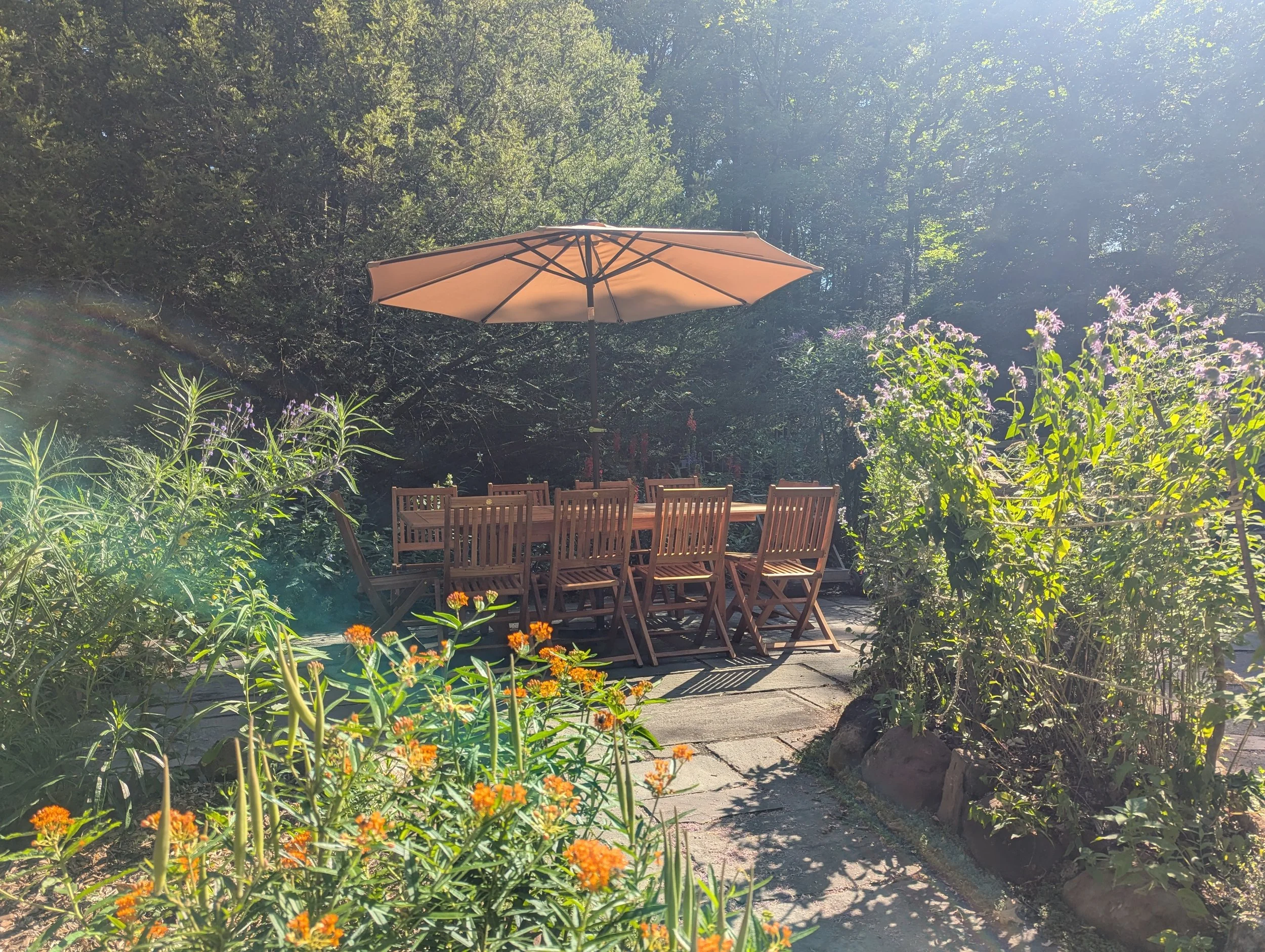
Check out my design portfolios
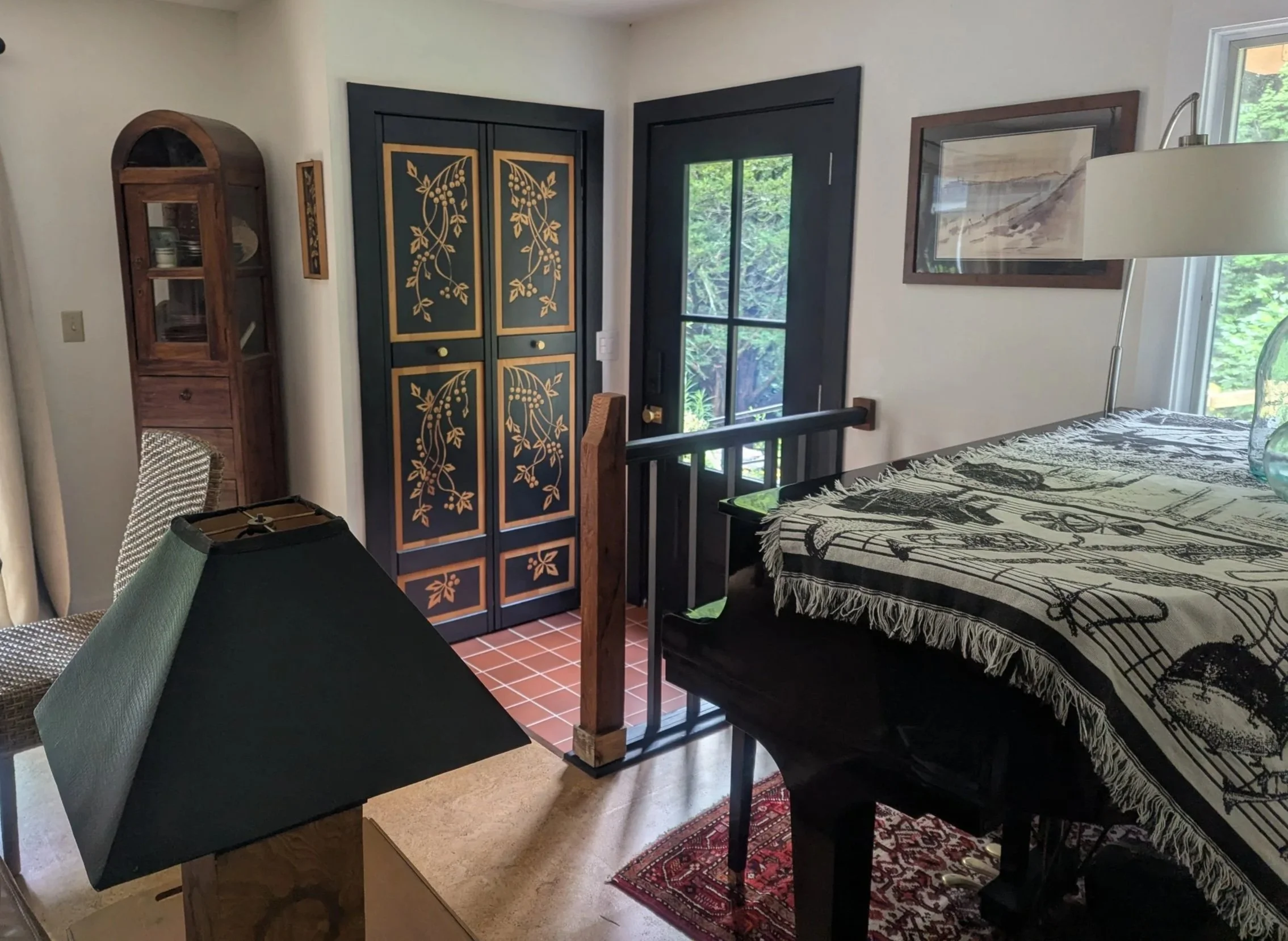

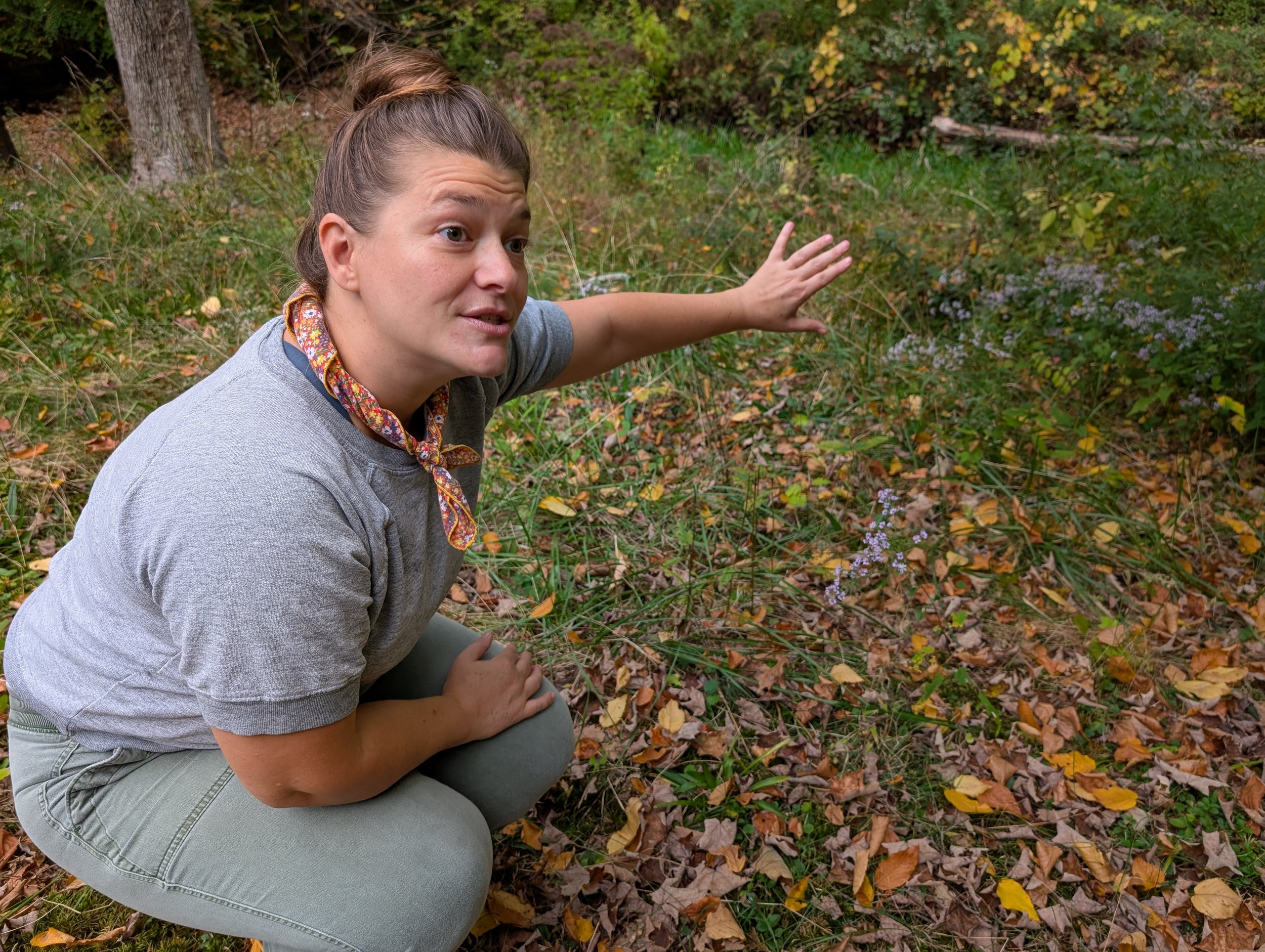
About Me & My Work

Hi there! My name is Cori and I’ve spent my life in the world of sustainability. Long before it was a buzz word or a popular concept or an industry, I grew up in a home where values of resourcefulness and honoring nature were the bits of culture from my parents woven into my life.
When I look back on my memories of my childhood, it’s really no surprise that I’ve wound up doing the kind of work I do. When I was growing up in the 90s, my father- an immigrant, a contractor- was remodeling our home and I remember riding around in his rusted out pick up looking for goodies on the side of the road and going to the big dumpsters behind stores to salvage broken clothing racks that he would use later build a deck. My mom, probably in an attempt to get us out of the house and out of her hair, would send us into the woods to play. She told me the trees whisper and sing and I believed in the magic of the natural world very early on. As a little, I built a house in a tree (could not have been safe) and swiped a bunch of bricks (that my father had sourced for a project and I got in trouble for taking) to lay a brick floor. As a pre-teen, I was embarrassed that other kids shopped at the mall while we had to thrift our clothes and or wear hand-me-downs (until in my teenage years, when I realized the other ‘artsy kids’ were thrifting for fun and let go of the shame and embraced the past time).
As a mentor of mine used to say, we are navigating our existence by developing various lenses through which to process and experience the world. I’ve invested time, effort, and money in developing lenses to help me fully understand and navigate the world, but the lens of sustainable living- and how that colors everything- was something that simply came with the territory of growing up ‘me’.
The foundations of sustainability are not new. Reusing, repurposing, upcycling, showing care for the Earth and feeling connected to it- are all simply decolonial, Indigenous ways of living. It’s really just the cocktail of resourcefulness, creativity, and interdependence that for many throughout our history- the poor, the Indigenous, the people who have maintained connections to the land for mutual survival- defined how they lived. But while these practices and principles are not new, I am hopeful that more people who have been socialized into traditions that harm the land and our community at large that lives on it (from the tiniest plants and insects to the largest of her creatures- including other humans) and disconnect them from it, are ready for the cultural evolution of returning to the only ways of living that provide for a future for all of cohabitating on this planet.
As an adult, I can’t imagine anything better than finding the just-right treasure- be it an old piece of furniture, or a native plant, or a pile of rubble- and seeing it take on new life in a space and seeing the space become efficient and soothing and full of life and finally feeling like ‘home’. Creating from a place of care and intentionality for the planet and people gives the spaces we inhabit a special quality- a uniqueness, a beauty, and an authenticity; a soulfulness and a felt warmth and life. The joy in knowing we’ve helped in some way or at least reduced any harm to others around us is unlike any other. It doesn’t fix all the problems in our world, but living with this sense of care is very much the basis of solutions and repair.
I work from the belief that as humans we can have comfort, enjoyment, and beauty and that these are not more important than the safety of our environment or others. Beauty and vibrancy are not mutually exclusive, although they’ve been treated that way in the past. When done thoughtfully these values coexist and occur as part of a healthy environment.
This lens has taken me on some great adventures in my life exploring concepts of sustainability and sustainable living and design as an adult. From tiny living spaces in a handful of cities and opening commercial spaces, to my first home- Old Mill Eco Island- where I’ve gotten to stretch my wings with land management, my ethos remains the same: embracing sustainable practices and principles heals not only the land, but our own relationship to it. It heals our lives.
Whether you’re just beginning your journey and are new to the idea of sustainable living practices; or have been learning more but are feeling overwhelmed by all the options and information in front of you…
wherever you are in your desire to live in a kinder, healthier, more connected way with the planet, my goal is to help you embrace the sense of connection to your ecosystem and know that you are a part of its magic;
and to help guide you to stop feeling like strangers or at odds with nature, and bring your spaces, minds, and hearts into a balanced state with Her. She is, after all, Home in the greatest sense of the word.

Services
Educational Offerings
My educational offerings are built for all ages- individuals, families, and groups- and designed to be especially friendly for beginners.
Consultations and Classes provide customized guidance and education on understanding the ecosystem around you including plant life (invasives + natives) and habitats; and how to steward it through sustainability practices + principles. My goal is to connect you with nature by empowering you to steward, curate, restore and reduce harm to your bit of nature you are living in- providing solutions for balancing human needs with those of a healthy ecosystem.
Workshops and Presentations for groups and events offer engaging education and motivation on a variety of environmental and sustainability topics. Events on The Island provide connective experiences at the intersection of the arts and science.

Ecological Garden + Habitat Design
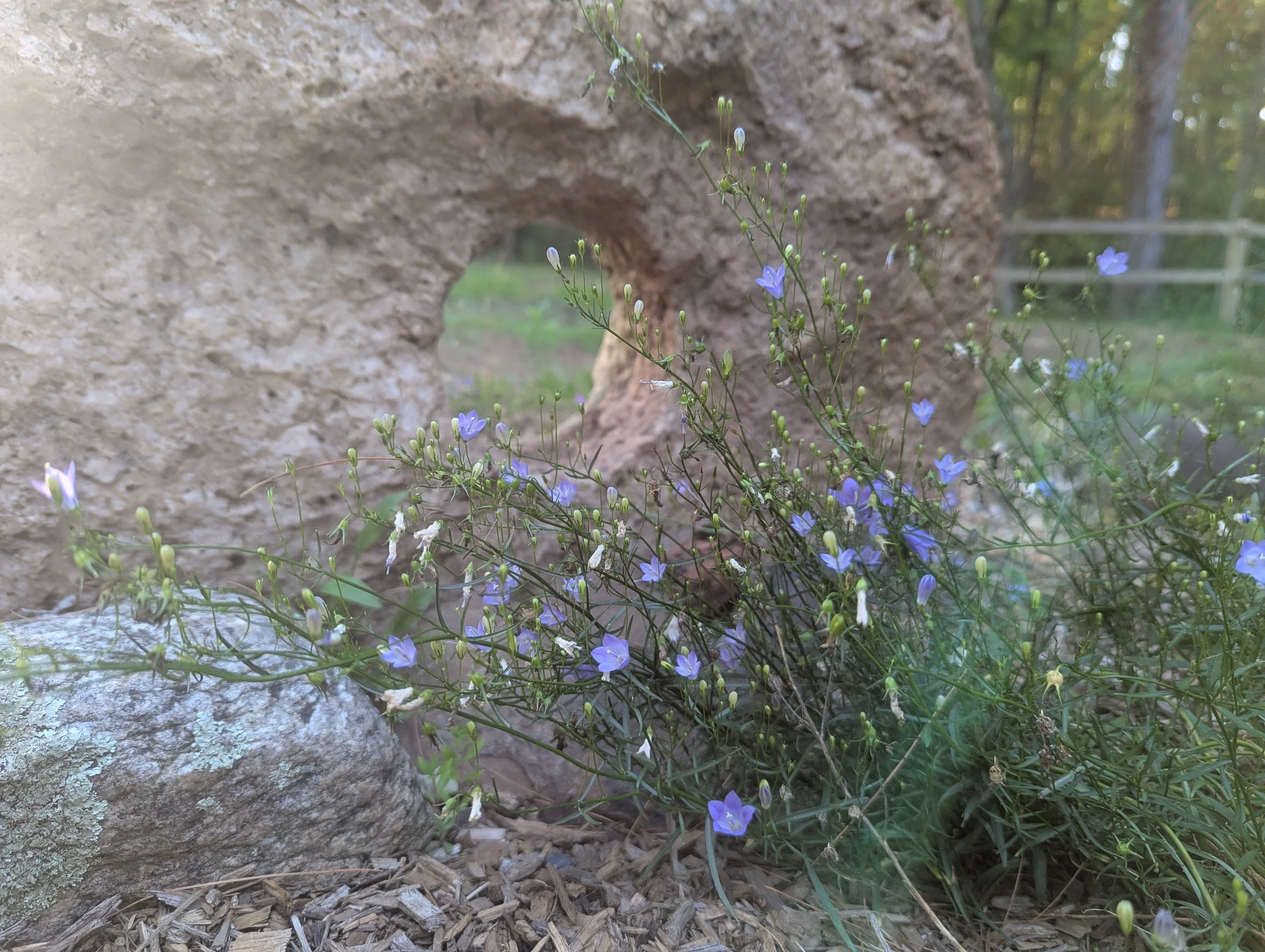
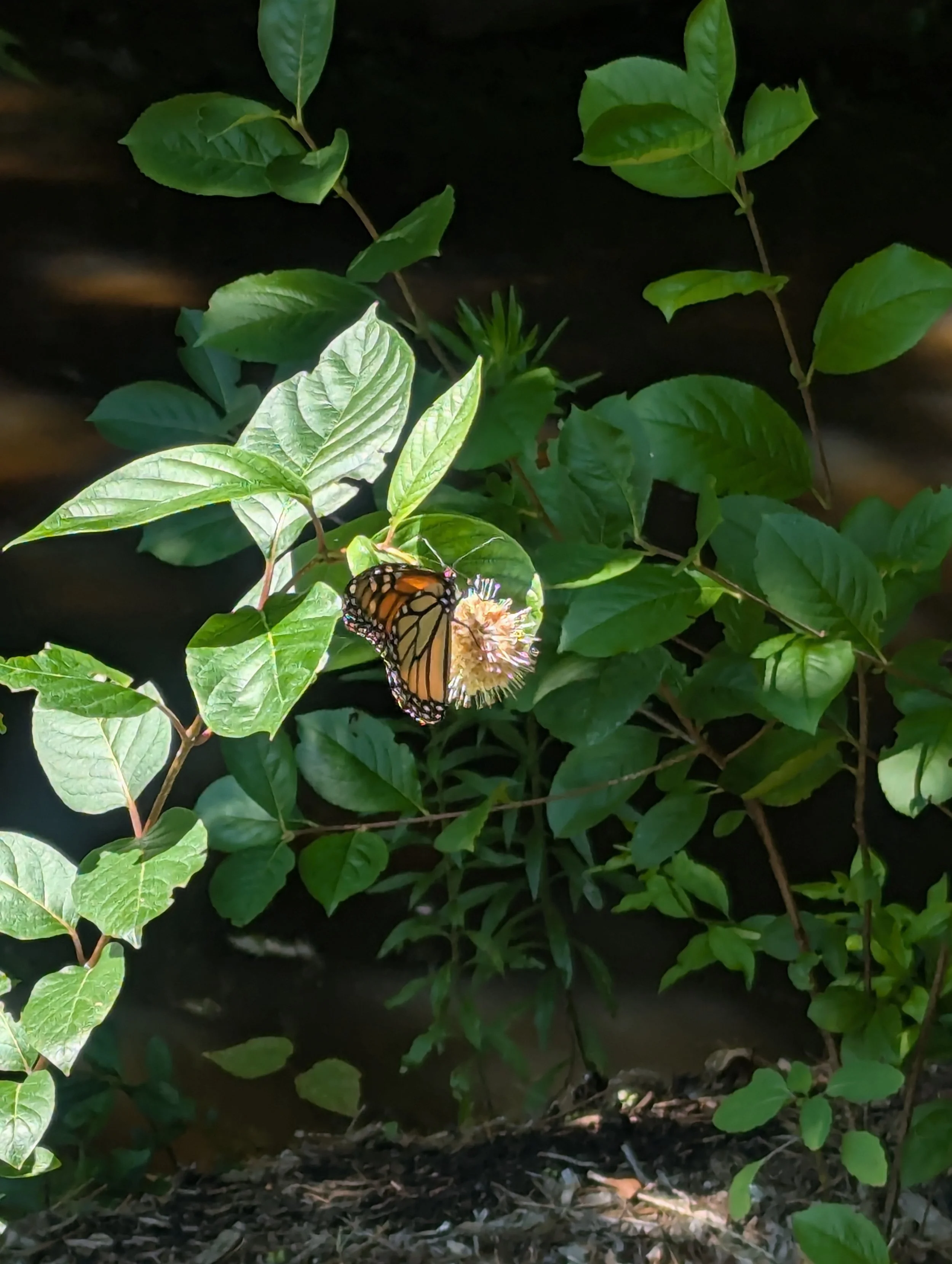
Beautiful, ecologically beneficial gardens full of native plants and the sustainable care practices to make them vibrant with life. Turn your space- no matter how big or small- into your own little slice of paradise, your own eco-sanctuary.
Consultations and Designs with a variety of service levels- from guidance for the DIYer on a budget to done-for-you custom options.
Land Management, Naturalized Areas, Habitat Restoration
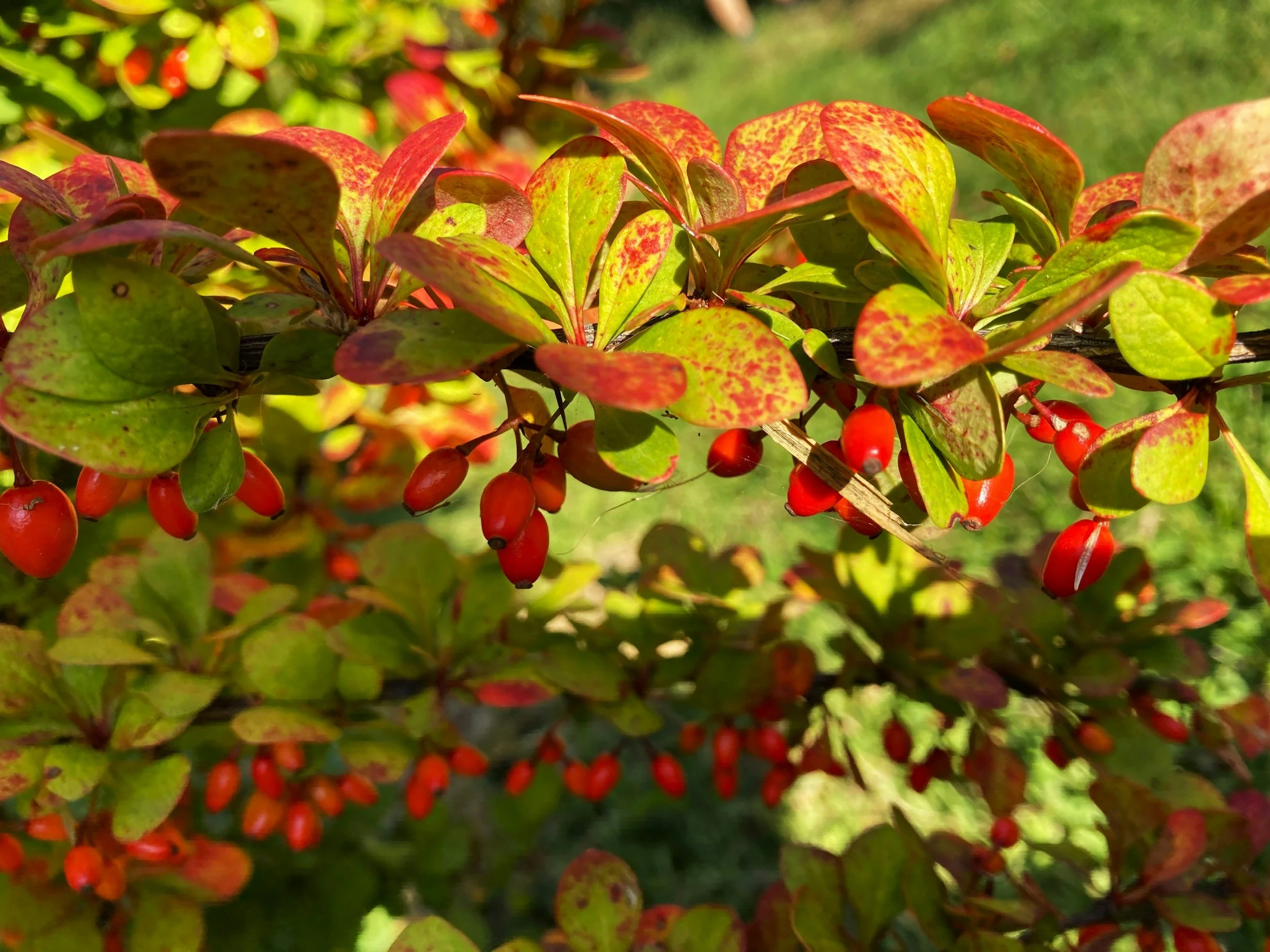
Customized strategic stewardship plans and implementation for thriving habitats including invasive species education and guidance or services for removals.
Strategic planning of sustainable land and yard management practices for reducing harm and improving the health of public and private spaces. Services for DIYers on a budget, as well as design, project management, and builds.

Interior Design
Sustainable, Efficient, Intentional Spaces
Using sustainable design practices and principles of intentionality, reuse, and creativity, I help transform your home into efficient, comfortable and beautiful spaces built for your life.
From full interior remodels and new builds including kitchens + bathrooms; to simply streamlining what you have into a more organized, efficient space through my organizing and redesign service- I believe your home is your habitat and everyone deserves a healthy and beautiful habitat that allows life to thrive. And, I believe sustainability is the key to achieving this.
I also work with commercial spaces under the same principles for your business or office.


Check out my design portfolios
About Sustainability + My Ethos
Sustainability(noun)
The principle of meeting our present needs without compromising the ability of future generations to meet their own.
The practice of humans (re)integrating our way of life into a functioning component of a healthy ecosystem.
The reality is sustainability is a big concept with critical importance and I’m saying that to say:
1) Even though the what we may be working on together are smaller projects and initiatives with the goal of making shifts in our own lives and communities (and creating spaces and understandings that allow those shifts to happen), I believe it’s important that through all of this work what is really happening is folks are developing their own sustainability lens. A lens by which to filter the world around them and the ways they choose to move to drive actionable changes with more ease and less effort going into the future- and to have the confidence to do that.
The development of this lens requires us to really also look at and gain an understanding of sustainability as the big picture- and to be able to hold the reality of the big picture without falling apart into overwhelm. This process feels big at first but wow does it make all the little thoughts and decisions much easier for folks to process on their own and to become confident in their ability to live with care- which when it comes down to it, is really what sustainability is all about.
2) It’s not just a buzz word. I tell my students and clients- really sustainability is a value that you’re simply learning to cultivate and honor in all of one’s actions. I’m a values-based person and practitioner: sustainability (meaning moving with care for people and the planet) is one of my highest values, if maybe not the highest, in my life. How we treat and relate to the land is a direct reflection of how we treat other people. It is an ethos and my mission behind my services I offer. It’s not just a cute buzzword for marketing, it’s the belief that sets the goals and motivations (and probably the reason why you are here reading this!).
So, I’d love to take a moment to unpack the big picture a bit here so we have a shared context as you enter into work with me. This will by no means be a complete unpacking of the concept but if you’re here, curious or ready and excited to improve your own sustainable ways of life in your homes and gardens, I think it can be helpful to give a bit of context to this concept and why I think this work is so important for all of us.
The Big Picture
The reality is the concept of ‘sustainability’ exists because human societies in the global north (defined as countries with high economic- and therefore consumer- and political power) are living so far outside any naturally functional ecosystem that they are destroying the ability of not only future generations- but also existing generations in many parts of the world- to be able to meet their needs. We are not being good neighbors or community members or citizens- however you like to think of that. The reality is- our systems decided that earth’s resources can be treated as if they’re infinite and they exist to serve us…but they are finite, and this is an absolute parameter.
Humans lived for generations understanding they were part of the ecosystem- they understood that Earth gave them what they needed to survive and that they had a responsibility for caring for the Earth so it could in fact continue to provide these things. Care went both ways. In our societies in the last 100 years in the global north, our systems shifted to us using more than our fair share, to taking without giving or without any thought for whether there’s enough or to where it’s even coming from. From sourcing raw materials and the places we take things from to the manufacturing of products; to packaging and shipping; to the impacts these processes have on the surrounding environment, and to the labor of people that is used from start to finish in any of these processes- this is all part of the disconnect of care. We became disconnected and distracted away from our inherent sense of balance needed for life. When it comes down to it, this concept is seemingly complex but when we zoom out and really look at root causes rather than all the individual issues we are facing in this day and age- it all becomes distilled into a much simpler image.
When we really start questioning and examining it, what becomes clear that it’s actually just a few intertwined systems of power that we’re unpacking: Colonialism and Capitalism. I just don’t believe you can really embrace sustainability at any level without appreciating that this is the status quo that you are working on challenging (many may just not realize it yet). Sustainable living of any sort is the development of a lens that begins to clearly see late stage capitalism we find ourselves in, as well as all manner of sociological concepts, wealth and class issues, indigeneity and land rematriation. Really all it asks of those of us living in mainstream societies of the global north is to remember what once was before this disconnect and embrace/innovate within it. The onus is on us. Plenty of communities- Indigenous Peoples in particular, People of the Global South, low income families- already live within these principles yet they are paying/have paid the heaviest price for the imbalance driven by those of us with more wealth and consumer power adhering to outdated traditions in the global north.
Now, at this point, some people might say, ‘okay well that’s a bit too intense. I was just here for the flowers and the butterflies.’ To which I say- this is exactly what I meant above when I said an important part of developing your relationship to sustainability and building this lens and value (even if it only extends as far as the flowers in your garden or making your home more functional) is to work on building your resilience, to expanding your understanding and nervous system to be able to hold the big picture. It’s really not that intense- it’s the systems by which our every day lives are operating so I would suggest that it’s no more intense than anything else about our daily lives. It might feel intense if examining the systems we live within and their impacts on all of us is new to you. And I get that. That’s where nervous system and emotional regulation work intersect for the individual- where slowing down when you notice you feel a big reaction to information and learning to examine it all with curiosity rather than spiral into shame or defeatism becomes ones of the best life skills any of us can embrace (and there are some wonderful practitioners and educators and therapists out there who teach us to build this).
This is also where and why, as environmental educators, we do our best to navigate students through the process of understanding sustainability and the context of it because: its the deepest rooted motivation behind longevity of environmental movements and reconnecting us to caring on a global level; and as information goes, it’s inescapable if students ask ‘why’ enough times- it’s the exact answers they’re looking for. If this big picture is an onion, our craft as educators is not to shove the whole thing in your mouth at once but to guide folks through a process of conscious-building by peeling away layers. And those layers may start by learning about a plant or our yard or our trash or our electric bills or a butterfly. But at the core, you’re going to keep landing on this information.
SO. I’m not sharing the Big Picture context to freak you out or push you away- on the contrary, I share because this is how you will eventually find a greater sense of control and connection and care as you enter into this journey. I hope you’ll stay curious and open. But I feel it’s only fair that I share a more intimate understanding of my lens by which I work and teach and understand all things sustainability. I don’t think these connections need to be literally personal to feel deeply important and emotional- I think expanding our minds and hearts to include humankind at large is part of this work. But on a personal note- my lens on this IS personal. I’ve lived and worked in the global south- I have loved ones and connections with people around the world who are directly impacted by what we do and how we live in this country. I have a lot of heart in this work and I think sustainability is about more than facts and figures- it’s about emotionally connecting to nature and all life within it.
So, I do believe for those of us who grew up and/or currently live within the way of life you were taught in the global north, we hold the greatest responsibility to begin reigning our ways of life back into balance and to reconnect to what a healthy, global, functional ecosystem is. To reconnect to nature.
I believe we hold a ton of personal and collective power to be able to reduce harm and actually have beneficial impacts.
By developing practices of intentionality, being conscious about our actions and staying curious to find better ways, and embracing our agency to make positive changes and shift our cultural footprints, citizens of the global north can have major impacts locally and globally. Some people will teach that the responsibility lies at the top- with corporate power structures. I don’t deny that- but when have you ever seen a corporation or system shift their way of operating because it’s harming people or the planet…quickly and frequently? I’ll wait. Corporations don’t make changes because they care about any of us- their exact purpose is to care about dollars. And guess who they rely on to buy their products and services with dollars…
I’m hoping you’re picking up what I’m putting down. You. People. Us. In many ways, we can be strangled and struggle under power but if you’re looking for a sense of empowerment anywhere in this world- just know that we as individuals currently still have a lot of agency in the choices we make about how we use our precious dollars or not. Maybe that means buying native plants from a small, local grower instead of non-natives or invasives from big box stores. Maybe that looks like refusing to purchase lawn chemicals and choosing instead to make naturalized spaces. Maybe that means buying second hand or from local makers and artists. Or taking public transportation if it’s available in your area rather than buying an electric vehicle. There is a lot of nuance and layers here but what I want you to understand is I believe you have a lot of power. I believe that while there is a power imbalance in our systems, that is does not mean we are devoid of any power. I don’t have any faith in changes coming from the top down, but I sure as hell believe it can be driven from the bottom up.
If you’re working me, just know I don’t sugar coat or bypass the reality of our current environmental crisis but I am empathetic and responsible in how I talk about it depending on who I’m teaching. It is a truly serious topic- and I want my clients to understand that it directly impacts the quality of life possible for my generation and all the generations after me. We’re making things more beautiful, more balanced, healthier; we’re reducing harm and hopefully improving conditions and- rebuilding that fundamental human connection to nature and the land. Developing this level of care is necessary, in the bigger picture, for all of us who will be inhabiting this planet in even the next 10 years and beyond, to have a chance at a safe and healthy environment.
There are big problems to be solved- giant corporations and companies to be stopped and major policy changes to enact. I know those facts and that bigness are often used in rationale to tell people that their own actions are too small and don’t really make a difference and that it’s unfair to ask us as individuals to make changes and sacrifices in the face of this- but I think this is where the importance of two things being true at once becomes apparent. This rationale excuses the massive power and influence of collectivism and where that starts from. I believe that for most people who want to help and see a sustainable world come about, their journeys as individuals start in our smaller spheres of influence: in our own habitats- our homes, gardens, and lands we live on- and in households, communities, heads and hearts.
My goal and belief is that when individuals embrace their individual power to enact positive change, they become much better equipped and quicker to recognize how they can combine their power into a collective one. Particularly as for many in the global north, this work includes relearning how to embrace and participate the joy of being part of something greater than themselves, of being a part of nature.